Русский
 Հայերեն
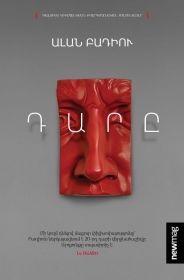


The 13 texts of "The Century" are based on Badiou's lectures at the seminars of the International College of Philosophy (1998-2001). He is talking about the 20th century. How to perceive that century? How to understand the essence of "classic crime" (Holocaust, Gulag): those crimes are characterized by the absence of thought, isn't that thought replaced by statistics (millions of victims)?
Badiou considers that the 20th century was not at all guided by the promises of a "bright future" or the illusion of an "earthly paradise". Exactly the opposite. the driving force was the passion for the real, the desire to realize everything "here and now". It was not a promised age, but an age of living. It was a century of implementation, of realization, of realisation, not of promises and hopes. Badiou calls the last 20 years of the century the 2nd Restoration.
The number takes the place of reality (inquiry, account, budget, credit, stock market), opinion replaces thought. According to Badiou, the crime of the century has not ended. "perhaps famous criminals have been replaced by petty criminals who are as anonymous as many joint-stock companies." The book was published in Armenian within the framework of the "Galust Külpenkean Translation Series" project.